Buy gaertnerei.info ?
We are moving the project
gaertnerei.info .
Are you interested in purchasing the domain
gaertnerei.info ?
domain@kv-gmbh.de · 0541-91531010
Buy gaertnerei.info ?
Can you explain genetic transfer in plants simply?
Genetic transfer in plants is the process by which genetic material is exchanged between different plants, leading to the introduction of new traits or characteristics. This can occur naturally through processes like cross-pollination or artificially through techniques like genetic engineering. By transferring specific genes from one plant to another, scientists can create plants with desired traits such as resistance to pests or diseases, improved yield, or better nutritional content. Overall, genetic transfer in plants plays a crucial role in agriculture and crop improvement. **
How does genetic modification of genetic information work?
Genetic modification involves altering the genetic information of an organism by introducing new DNA into its genome. This can be achieved through various techniques such as gene editing using tools like CRISPR, or by introducing foreign DNA into the organism through a process called transgenesis. The new DNA can be designed to add, delete, or modify specific genes, which can result in changes to the organism's traits or characteristics. Genetic modification has the potential to create organisms with improved traits, such as increased resistance to diseases or improved nutritional content. **

Similar search terms for Genetic
Top-Angebote
Products related to Genetic:
-
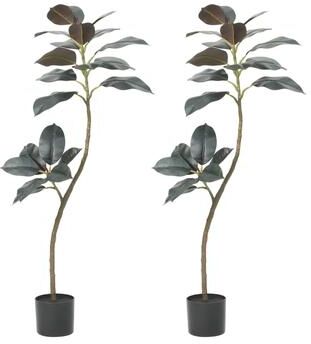
Garvee 2-Pack 4 ft PU Black Rubber Tree Faux Plants in Pots – Realistic2-PACK SET: Includes 2 artificial black rubber trees, each measuring approximately 47 inches (4 ft) tall from base to top, making them ideal for floor placement in living rooms, offices, and entryways.83,49 $*Shipping: 0,00 $Secure redirect to the provider
-
2 PCS Artificial Lavender Topiaries w/Elegant Flowers & Cement Pots - Green & Purple & BlackBring the beauty of nature indoors with our artificial lavender topiaries!This elegant potted plant features a lifelike spherical shape, complete with leaves and vibrant blooming lavender, creating an appealing look that enhances any space.112,99 $*Shipping: 0,00 $Secure redirect to the provider
-
Mercer41 Plants & Flowers Wall Decor Gold 50cm H X 127cm WMeasuring 127×50×5cm, this large wall art makes an ideal wall decoration for living room or any spacious area. It adds balance and refined style to blank walls, instantly enhancing your interior with stunning metal wall art craftsmanship This elegant wall art for living room doubles as a meaningful gift for loved ones. Perfect for housewarmings, anniversaries, holidays, or special occasions, it’s a beautiful way to show you care through timeless wall decorations. Crafted from premium iron, this metal artwork for wall features vivid colors and fine details. It’s rust-resistant, durable, and requires no assembly—just a striking piece of metal wall art ready to impress. Whether in bedrooms, dining rooms, or as wall decor for living room, this design adds elegance and charm. Its classic style blends into any theme, making it one of the most versatile metal wall art for living room options available. Brand Name: Mercer41.187,99 £*Shipping: 0,00 £Secure redirect to the provider


-
What is the difference between genetic and genetic engineering?
Genetics refers to the study of genes, heredity, and variation in living organisms. It involves understanding how traits are passed down from one generation to the next. On the other hand, genetic engineering is the deliberate modification of an organism's genetic material using biotechnology. This can involve altering specific genes to achieve desired traits or characteristics. In essence, genetics is the study of natural genetic processes, while genetic engineering involves the intentional manipulation of genetic material for specific purposes. **
-
What genetic orientation?
Genetic orientation refers to the specific genetic makeup or characteristics of an individual, which can influence various traits and predispositions. This orientation is determined by the combination of genes inherited from one's parents and can impact things like physical appearance, health conditions, and even personality traits. Understanding one's genetic orientation can provide insights into potential health risks and help in making informed decisions about lifestyle choices and medical care. **
-
What is the difference between genetic research and genetic engineering?
Genetic research involves studying genes and their functions to understand how they contribute to traits and diseases. It focuses on identifying genetic variations and their impact on individuals. On the other hand, genetic engineering involves manipulating genes to create new traits or modify existing ones. It is a technology that allows scientists to directly alter the genetic makeup of an organism. In essence, genetic research is about studying genes, while genetic engineering is about actively changing them. **
-
How does the genetic modification of the genetic information work?
Genetic modification involves altering the genetic information of an organism by introducing specific changes to its DNA. This can be done by inserting new genes, removing existing genes, or modifying the expression of certain genes. Techniques such as CRISPR-Cas9 allow for precise editing of DNA sequences, enabling scientists to target specific genes and make desired modifications. Once the genetic information has been modified, the organism's cells will start producing proteins based on the new instructions encoded in its DNA. **


What are the advantages and disadvantages of genetic engineering in plants?
Genetic engineering in plants has several advantages, such as increased crop yields, improved nutritional content, and enhanced resistance to pests and diseases. This can help address food security issues and reduce the need for chemical pesticides. However, there are also disadvantages, including potential environmental impacts, such as the spread of genetically modified organisms (GMOs) to non-GMO crops, and concerns about the long-term effects of consuming genetically modified foods on human health. Additionally, there are ethical considerations surrounding the manipulation of plant genes and the potential for corporate control over the food supply. **
What is genetic inheritance?
Genetic inheritance refers to the passing of traits and characteristics from parents to offspring through the transmission of genes. Genes are segments of DNA that contain instructions for specific traits, such as eye color or height. Offspring inherit a combination of genes from both parents, which determines their physical and biological characteristics. Genetic inheritance plays a crucial role in shaping an individual's traits and susceptibility to certain diseases. **
Top-Angebote
Products related to Genetic:
-
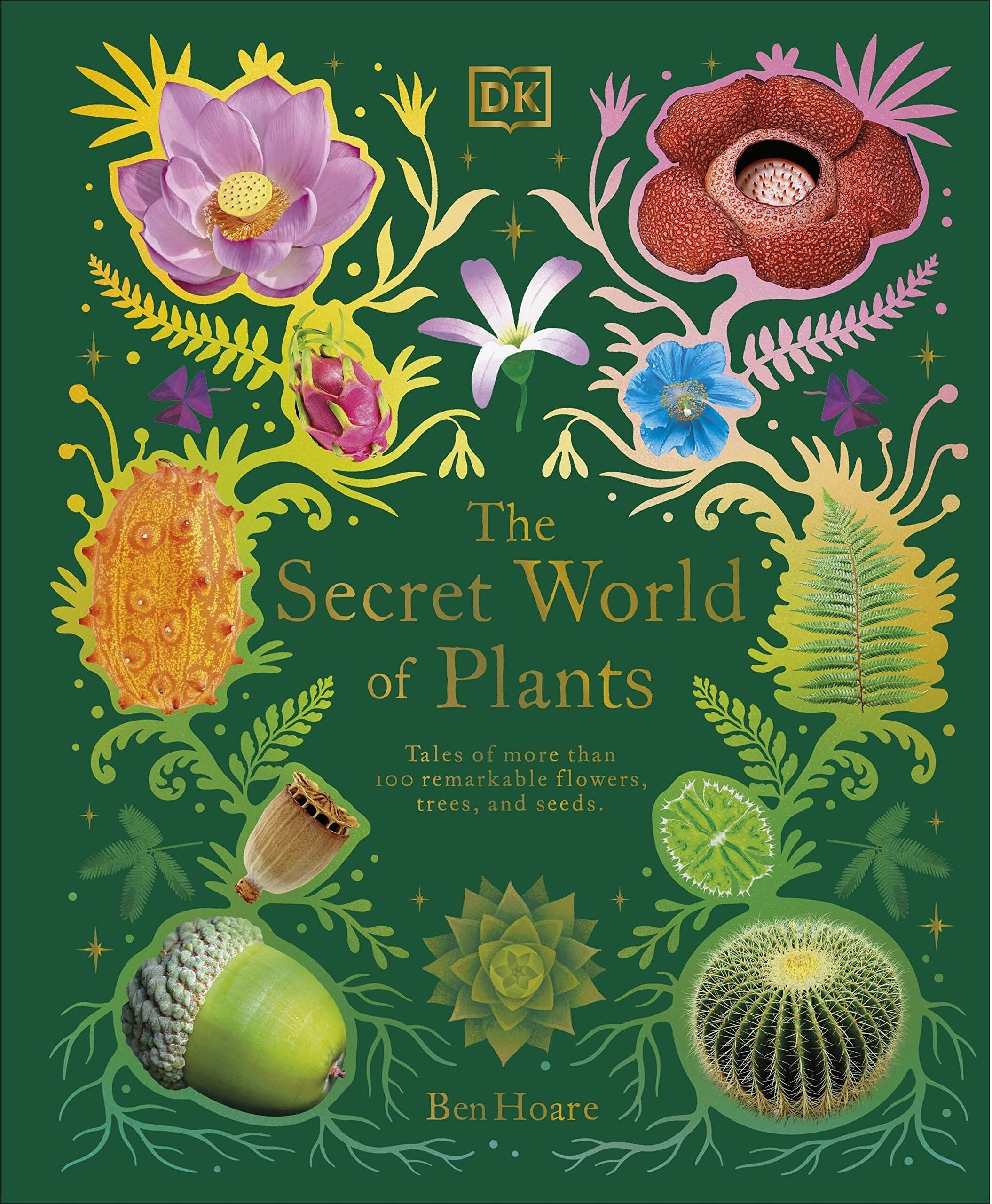
DK Children The Secret World of Plants: Tales of More Than 100 Remarkable Flowers, Trees, and Seeds by Ben Hoare (DK Treasures)A timeless treasury of more than 100 stories from the incredible kingdom of plants, told by author and nature expert Ben Hoare. Plants are found almost everywhere on Earth, but to many people, their lives are a mystery. Learn how seagrass flowers underwater, how the Venus flytrap counts to make sure it catches its prey, and why some tulips used to cost more than a house! This fascinating book for kids explores the vast plant kingdom and explains how plants work, as well as the weird and wonderful relationships they have with animals. Children can discover the secrets of more than 100 amazing plants in this treasury of fascinating flora, as well as the essentials of plant science, including photosynthesis, pollination, and germination. Each species is shown with remarkable photography and beautiful illustrations, all brought to life by Ben Hoare's writing, filled with charm and infectious enthusiasm. This nature book for children ages 7+ features:- An eye-catching holographic cover, gilded edges, and stunning photography and illustrations, making it the perfect gift - A wide range of incredible plants and trees from all around the world- Illustrated diagrams to support definitions of different types of plants - Introductory reference pages that explain key topics such as photosynthesisThis book is a must for any child interested in the natural world and the plants that grow in it. Plants provide us with food, fuel, and medicine, and without them, life as we know it would not exist. From orchids that grow vanilla pods to leaves that look like stones, and from bamboo that can be made into clothes to moss that soaks up vast amounts of carbon dioxide, plants shape our world in an endless variety of ways.13,99 £*Shipping: 2,99 £Secure redirect to the provider
-
Garvee 2-Pack 4 ft PU Black Rubber Tree Faux Plants in Pots – Realistic2-PACK SET: Includes 2 artificial black rubber trees, each measuring approximately 47 inches (4 ft) tall from base to top, making them ideal for floor placement in living rooms, offices, and entryways.83,49 $*Shipping: 0,00 $Secure redirect to the provider
-
Can you explain genetic transfer in plants simply?
Genetic transfer in plants is the process by which genetic material is exchanged between different plants, leading to the introduction of new traits or characteristics. This can occur naturally through processes like cross-pollination or artificially through techniques like genetic engineering. By transferring specific genes from one plant to another, scientists can create plants with desired traits such as resistance to pests or diseases, improved yield, or better nutritional content. Overall, genetic transfer in plants plays a crucial role in agriculture and crop improvement. **
-
How does genetic modification of genetic information work?
Genetic modification involves altering the genetic information of an organism by introducing new DNA into its genome. This can be achieved through various techniques such as gene editing using tools like CRISPR, or by introducing foreign DNA into the organism through a process called transgenesis. The new DNA can be designed to add, delete, or modify specific genes, which can result in changes to the organism's traits or characteristics. Genetic modification has the potential to create organisms with improved traits, such as increased resistance to diseases or improved nutritional content. **
-
What is the difference between genetic and genetic engineering?
Genetics refers to the study of genes, heredity, and variation in living organisms. It involves understanding how traits are passed down from one generation to the next. On the other hand, genetic engineering is the deliberate modification of an organism's genetic material using biotechnology. This can involve altering specific genes to achieve desired traits or characteristics. In essence, genetics is the study of natural genetic processes, while genetic engineering involves the intentional manipulation of genetic material for specific purposes. **
-
What genetic orientation?
Genetic orientation refers to the specific genetic makeup or characteristics of an individual, which can influence various traits and predispositions. This orientation is determined by the combination of genes inherited from one's parents and can impact things like physical appearance, health conditions, and even personality traits. Understanding one's genetic orientation can provide insights into potential health risks and help in making informed decisions about lifestyle choices and medical care. **
Similar search terms for Genetic
-
2 PCS Artificial Lavender Topiaries w/Elegant Flowers & Cement Pots - Green & Purple & BlackBring the beauty of nature indoors with our artificial lavender topiaries!This elegant potted plant features a lifelike spherical shape, complete with leaves and vibrant blooming lavender, creating an appealing look that enhances any space.112,99 $*Shipping: 0,00 $Secure redirect to the provider
-
Mercer41 Plants & Flowers Wall Decor Gold 50cm H X 127cm WMeasuring 127×50×5cm, this large wall art makes an ideal wall decoration for living room or any spacious area. It adds balance and refined style to blank walls, instantly enhancing your interior with stunning metal wall art craftsmanship This elegant wall art for living room doubles as a meaningful gift for loved ones. Perfect for housewarmings, anniversaries, holidays, or special occasions, it’s a beautiful way to show you care through timeless wall decorations. Crafted from premium iron, this metal artwork for wall features vivid colors and fine details. It’s rust-resistant, durable, and requires no assembly—just a striking piece of metal wall art ready to impress. Whether in bedrooms, dining rooms, or as wall decor for living room, this design adds elegance and charm. Its classic style blends into any theme, making it one of the most versatile metal wall art for living room options available. Brand Name: Mercer41.187,99 £*Shipping: 0,00 £Secure redirect to the provider
-
ClassicLiving Traditional Plants & Flowers Wall Decor Gold 69cm H X 39cm WGlamorous wall decoration with a floral design. This metal wall art will make your living room shine. The floral design with a metallic shimmering look attracts everyone's attention. With a golden shimmer. Brand Name: ClassicLiving.83,99 £*Shipping: 0,00 £Secure redirect to the provider
-
What is the difference between genetic research and genetic engineering?
Genetic research involves studying genes and their functions to understand how they contribute to traits and diseases. It focuses on identifying genetic variations and their impact on individuals. On the other hand, genetic engineering involves manipulating genes to create new traits or modify existing ones. It is a technology that allows scientists to directly alter the genetic makeup of an organism. In essence, genetic research is about studying genes, while genetic engineering is about actively changing them. **
-
How does the genetic modification of the genetic information work?
Genetic modification involves altering the genetic information of an organism by introducing specific changes to its DNA. This can be done by inserting new genes, removing existing genes, or modifying the expression of certain genes. Techniques such as CRISPR-Cas9 allow for precise editing of DNA sequences, enabling scientists to target specific genes and make desired modifications. Once the genetic information has been modified, the organism's cells will start producing proteins based on the new instructions encoded in its DNA. **
-
What are the advantages and disadvantages of genetic engineering in plants?
Genetic engineering in plants has several advantages, such as increased crop yields, improved nutritional content, and enhanced resistance to pests and diseases. This can help address food security issues and reduce the need for chemical pesticides. However, there are also disadvantages, including potential environmental impacts, such as the spread of genetically modified organisms (GMOs) to non-GMO crops, and concerns about the long-term effects of consuming genetically modified foods on human health. Additionally, there are ethical considerations surrounding the manipulation of plant genes and the potential for corporate control over the food supply. **
-
What is genetic inheritance?
Genetic inheritance refers to the passing of traits and characteristics from parents to offspring through the transmission of genes. Genes are segments of DNA that contain instructions for specific traits, such as eye color or height. Offspring inherit a combination of genes from both parents, which determines their physical and biological characteristics. Genetic inheritance plays a crucial role in shaping an individual's traits and susceptibility to certain diseases. **
* All prices are inclusive of VAT and, if applicable, plus shipping costs. The offer information is based on the details provided by the respective shop and is updated through automated processes. Real-time updates do not occur, so deviations can occur in individual cases. ** Note: Parts of this content were created by AI.