Buy gaertnerei.info ?
We are moving the project
gaertnerei.info .
Are you interested in purchasing the domain
gaertnerei.info ?
domain@kv-gmbh.de · 0541-91531010
Buy gaertnerei.info ?
How are Latin subjunctive subordinate clauses still translated with the subjunctive?
Latin subjunctive subordinate clauses are still translated with the subjunctive in English to convey the same sense of uncertainty, possibility, or doubt. In English, the subjunctive mood is used to express hypothetical or unreal situations, wishes, recommendations, or demands. Therefore, when translating Latin subjunctive subordinate clauses, the English subjunctive is used to maintain the same mood and meaning of the original Latin sentence. **
Maybe subjunctive or indicative?
The choice between subjunctive or indicative depends on the context of the sentence. The subjunctive mood is used to express doubt, uncertainty, desire, or hypothetical situations, while the indicative mood is used for statements of fact or certainty. To determine whether to use subjunctive or indicative, consider the verb's relationship to reality and whether it is expressing a fact or a possibility. **

Similar search terms for Subjunctive
Top-Angebote
Products related to Subjunctive:
-
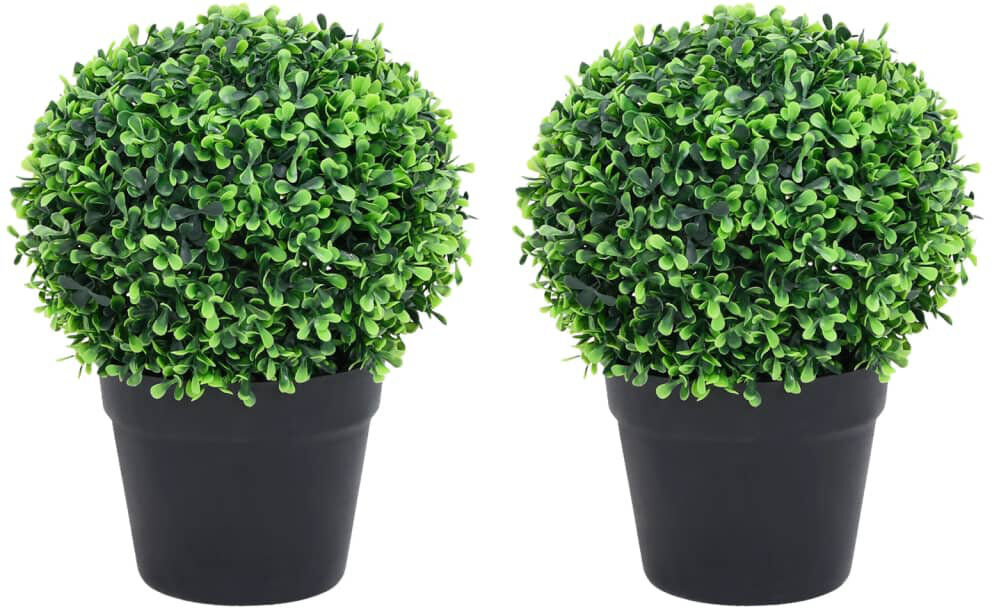
2 PCS Artificial Lavender Topiaries w/Elegant Flowers & Cement Pots - Green & Purple & BlackBring the beauty of nature indoors with our artificial lavender topiaries!This elegant potted plant features a lifelike spherical shape, complete with leaves and vibrant blooming lavender, creating an appealing look that enhances any space.112,99 $*Shipping: 0,00 $Secure redirect to the provider
-
Mercer41 Plants & Flowers Wall Decor Gold 50cm H X 127cm WMeasuring 127×50×5cm, this large wall art makes an ideal wall decoration for living room or any spacious area. It adds balance and refined style to blank walls, instantly enhancing your interior with stunning metal wall art craftsmanship This elegant wall art for living room doubles as a meaningful gift for loved ones. Perfect for housewarmings, anniversaries, holidays, or special occasions, it’s a beautiful way to show you care through timeless wall decorations. Crafted from premium iron, this metal artwork for wall features vivid colors and fine details. It’s rust-resistant, durable, and requires no assembly—just a striking piece of metal wall art ready to impress. Whether in bedrooms, dining rooms, or as wall decor for living room, this design adds elegance and charm. Its classic style blends into any theme, making it one of the most versatile metal wall art for living room options available. Brand Name: Mercer41.187,99 £*Shipping: 0,00 £Secure redirect to the provider


-
Perhaps, subjunctive or indicative?
The choice between subjunctive or indicative depends on the context of the sentence. The subjunctive mood is used to express hypothetical or uncertain situations, wishes, recommendations, or doubts. On the other hand, the indicative mood is used for statements of fact or certainty. Therefore, if the sentence is expressing a possibility, doubt, or desire, the subjunctive mood would be more appropriate. **
-
Conditional, subjunctive or indicative?
The choice between conditional, subjunctive, or indicative mood depends on the context of the sentence. The conditional mood is used to express a hypothetical situation or a condition that is dependent on something else happening. The subjunctive mood is used to express wishes, recommendations, or possibilities. The indicative mood is used to state facts or ask questions. **
-
What is the use of the present subjunctive and the past subjunctive?
The present subjunctive is used to express desires, doubts, wishes, or hypothetical situations in the present or future. It is often used after certain verbs and conjunctions that indicate uncertainty or subjectivity. The past subjunctive, on the other hand, is used to express desires, doubts, wishes, or hypothetical situations in the past. It is often used in the same way as the present subjunctive, but in reference to past events or situations. Both subjunctive forms are used to convey uncertainty or subjectivity in a sentence. **
-
Are the subjunctive I and the subjunctive II present in all tenses?
No, the subjunctive I and subjunctive II are not present in all tenses. The subjunctive I is only present in the present tense, while the subjunctive II is present in the past tense. The subjunctive I is used to express wishes, suggestions, or hypothetical situations in the present, while the subjunctive II is used to express wishes, suggestions, or hypothetical situations in the past. Each tense has its own specific form of the subjunctive mood. **

When is the subjunctive used?
The subjunctive is used to express desires, doubts, wishes, possibilities, recommendations, or hypothetical situations. It is often used in dependent clauses following certain verbs or expressions that convey these meanings. The subjunctive mood is used to show uncertainty or subjectivity in a sentence, rather than stating a fact or certainty. It is important to pay attention to the context and the verb that triggers the use of the subjunctive in order to use it correctly. **
'It is strange that + subjunctive'
It is strange that she should be so calm in such a chaotic situation. **
Top-Angebote
Products related to Subjunctive:
-
DK Children The Secret World of Plants: Tales of More Than 100 Remarkable Flowers, Trees, and Seeds by Ben Hoare (DK Treasures)A timeless treasury of more than 100 stories from the incredible kingdom of plants, told by author and nature expert Ben Hoare. Plants are found almost everywhere on Earth, but to many people, their lives are a mystery. Learn how seagrass flowers underwater, how the Venus flytrap counts to make sure it catches its prey, and why some tulips used to cost more than a house! This fascinating book for kids explores the vast plant kingdom and explains how plants work, as well as the weird and wonderful relationships they have with animals. Children can discover the secrets of more than 100 amazing plants in this treasury of fascinating flora, as well as the essentials of plant science, including photosynthesis, pollination, and germination. Each species is shown with remarkable photography and beautiful illustrations, all brought to life by Ben Hoare's writing, filled with charm and infectious enthusiasm. This nature book for children ages 7+ features:- An eye-catching holographic cover, gilded edges, and stunning photography and illustrations, making it the perfect gift - A wide range of incredible plants and trees from all around the world- Illustrated diagrams to support definitions of different types of plants - Introductory reference pages that explain key topics such as photosynthesisThis book is a must for any child interested in the natural world and the plants that grow in it. Plants provide us with food, fuel, and medicine, and without them, life as we know it would not exist. From orchids that grow vanilla pods to leaves that look like stones, and from bamboo that can be made into clothes to moss that soaks up vast amounts of carbon dioxide, plants shape our world in an endless variety of ways.13,99 £*Shipping: 2,99 £Secure redirect to the provider
-
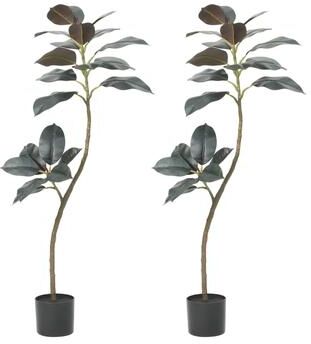
Garvee 2-Pack 4 ft PU Black Rubber Tree Faux Plants in Pots – Realistic2-PACK SET: Includes 2 artificial black rubber trees, each measuring approximately 47 inches (4 ft) tall from base to top, making them ideal for floor placement in living rooms, offices, and entryways.83,49 $*Shipping: 0,00 $Secure redirect to the provider
-
How are Latin subjunctive subordinate clauses still translated with the subjunctive?
Latin subjunctive subordinate clauses are still translated with the subjunctive in English to convey the same sense of uncertainty, possibility, or doubt. In English, the subjunctive mood is used to express hypothetical or unreal situations, wishes, recommendations, or demands. Therefore, when translating Latin subjunctive subordinate clauses, the English subjunctive is used to maintain the same mood and meaning of the original Latin sentence. **
-
Maybe subjunctive or indicative?
The choice between subjunctive or indicative depends on the context of the sentence. The subjunctive mood is used to express doubt, uncertainty, desire, or hypothetical situations, while the indicative mood is used for statements of fact or certainty. To determine whether to use subjunctive or indicative, consider the verb's relationship to reality and whether it is expressing a fact or a possibility. **
-
Perhaps, subjunctive or indicative?
The choice between subjunctive or indicative depends on the context of the sentence. The subjunctive mood is used to express hypothetical or uncertain situations, wishes, recommendations, or doubts. On the other hand, the indicative mood is used for statements of fact or certainty. Therefore, if the sentence is expressing a possibility, doubt, or desire, the subjunctive mood would be more appropriate. **
-
Conditional, subjunctive or indicative?
The choice between conditional, subjunctive, or indicative mood depends on the context of the sentence. The conditional mood is used to express a hypothetical situation or a condition that is dependent on something else happening. The subjunctive mood is used to express wishes, recommendations, or possibilities. The indicative mood is used to state facts or ask questions. **
Similar search terms for Subjunctive
-
2 PCS Artificial Lavender Topiaries w/Elegant Flowers & Cement Pots - Green & Purple & BlackBring the beauty of nature indoors with our artificial lavender topiaries!This elegant potted plant features a lifelike spherical shape, complete with leaves and vibrant blooming lavender, creating an appealing look that enhances any space.112,99 $*Shipping: 0,00 $Secure redirect to the provider
-
Mercer41 Plants & Flowers Wall Decor Gold 50cm H X 127cm WMeasuring 127×50×5cm, this large wall art makes an ideal wall decoration for living room or any spacious area. It adds balance and refined style to blank walls, instantly enhancing your interior with stunning metal wall art craftsmanship This elegant wall art for living room doubles as a meaningful gift for loved ones. Perfect for housewarmings, anniversaries, holidays, or special occasions, it’s a beautiful way to show you care through timeless wall decorations. Crafted from premium iron, this metal artwork for wall features vivid colors and fine details. It’s rust-resistant, durable, and requires no assembly—just a striking piece of metal wall art ready to impress. Whether in bedrooms, dining rooms, or as wall decor for living room, this design adds elegance and charm. Its classic style blends into any theme, making it one of the most versatile metal wall art for living room options available. Brand Name: Mercer41.187,99 £*Shipping: 0,00 £Secure redirect to the provider
-
"2 PCS 21.5"" Art Rose Topiaries w/Red Flowers & Cement-Filled Pots - Green & Red & Black"Bring the beauty of nature indoors with our artificial rose topiaries!This elegant potted plant features a lifelike spherical shape, complete with leaves and vibrant roses, creating an appealing look that enhances any space.89,49 $*Shipping: 0,00 $Secure redirect to the provider
-
What is the use of the present subjunctive and the past subjunctive?
The present subjunctive is used to express desires, doubts, wishes, or hypothetical situations in the present or future. It is often used after certain verbs and conjunctions that indicate uncertainty or subjectivity. The past subjunctive, on the other hand, is used to express desires, doubts, wishes, or hypothetical situations in the past. It is often used in the same way as the present subjunctive, but in reference to past events or situations. Both subjunctive forms are used to convey uncertainty or subjectivity in a sentence. **
-
Are the subjunctive I and the subjunctive II present in all tenses?
No, the subjunctive I and subjunctive II are not present in all tenses. The subjunctive I is only present in the present tense, while the subjunctive II is present in the past tense. The subjunctive I is used to express wishes, suggestions, or hypothetical situations in the present, while the subjunctive II is used to express wishes, suggestions, or hypothetical situations in the past. Each tense has its own specific form of the subjunctive mood. **
-
When is the subjunctive used?
The subjunctive is used to express desires, doubts, wishes, possibilities, recommendations, or hypothetical situations. It is often used in dependent clauses following certain verbs or expressions that convey these meanings. The subjunctive mood is used to show uncertainty or subjectivity in a sentence, rather than stating a fact or certainty. It is important to pay attention to the context and the verb that triggers the use of the subjunctive in order to use it correctly. **
-
'It is strange that + subjunctive'
It is strange that she should be so calm in such a chaotic situation. **
* All prices are inclusive of VAT and, if applicable, plus shipping costs. The offer information is based on the details provided by the respective shop and is updated through automated processes. Real-time updates do not occur, so deviations can occur in individual cases. ** Note: Parts of this content were created by AI.