Buy gaertnerei.info ?
We are moving the project
gaertnerei.info .
Are you interested in purchasing the domain
gaertnerei.info ?
domain@kv-gmbh.de · 0541-91531010
Buy gaertnerei.info ?
Which flowers do snails not eat?
Snails tend to avoid eating flowers with strong scents, prickly or fuzzy textures, or toxic properties. Some examples of flowers that snails typically avoid include daffodils, lavender, geraniums, and poppies. These flowers have characteristics that make them unappealing or harmful to snails, helping to protect them from being eaten. **
Which flowers are not eaten by snails?
Snails tend to avoid eating flowers with strong scents or textures that are unappealing to them. Some flowers that are less likely to be eaten by snails include marigolds, geraniums, lavender, and begonias. These flowers often have strong scents or fuzzy textures that deter snails from feeding on them. **
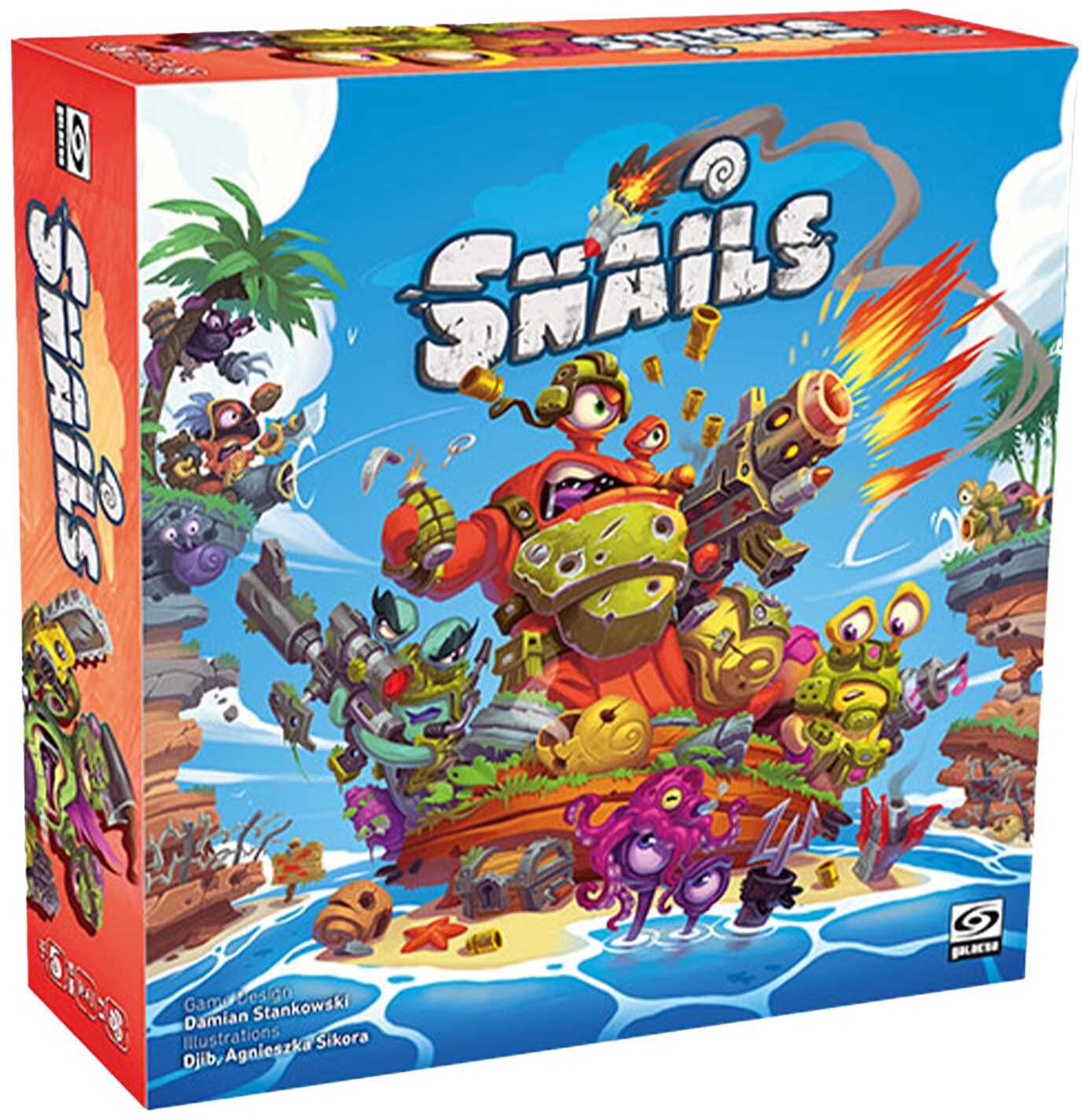

Similar search terms for Snails
Top-Angebote
Products related to Snails:
-
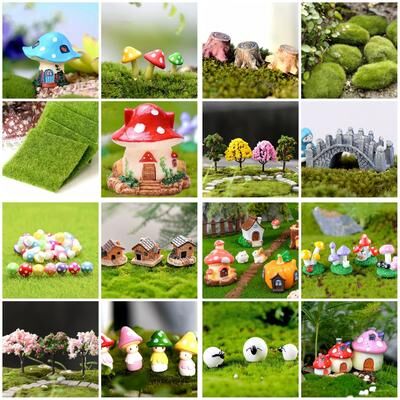
Inspire Select Enchanted Mini Fairy Garden Figurines Set Whimsical DIY Fairy Garden Accessories For Miniature Landscaping & Dollhouse mushroom Snails 1 PcBring a touch of magic to your space and transform ordinary corners into enchanting storybook scenes. These beautifully crafted DIY fairy garden accessories are perfect for anyone who loves creativity, natureinspired dcor, or miniature worlds....50,98 $*Shipping: 0,00 $Secure redirect to the provider
-
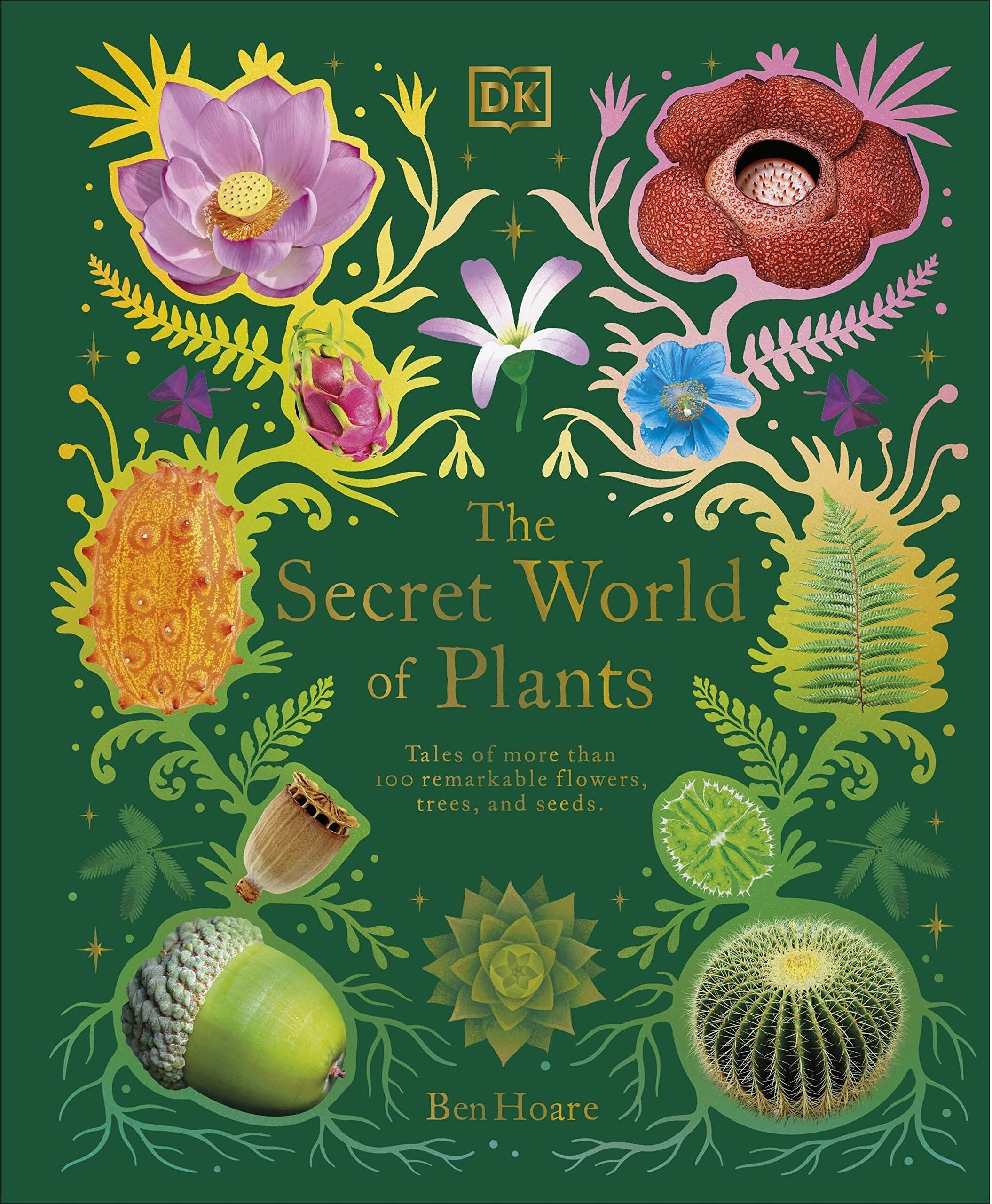
DK Children The Secret World of Plants: Tales of More Than 100 Remarkable Flowers, Trees, and Seeds by Ben Hoare (DK Treasures)A timeless treasury of more than 100 stories from the incredible kingdom of plants, told by author and nature expert Ben Hoare. Plants are found almost everywhere on Earth, but to many people, their lives are a mystery. Learn how seagrass flowers underwater, how the Venus flytrap counts to make sure it catches its prey, and why some tulips used to cost more than a house! This fascinating book for kids explores the vast plant kingdom and explains how plants work, as well as the weird and wonderful relationships they have with animals. Children can discover the secrets of more than 100 amazing plants in this treasury of fascinating flora, as well as the essentials of plant science, including photosynthesis, pollination, and germination. Each species is shown with remarkable photography and beautiful illustrations, all brought to life by Ben Hoare's writing, filled with charm and infectious enthusiasm. This nature book for children ages 7+ features:- An eye-catching holographic cover, gilded edges, and stunning photography and illustrations, making it the perfect gift - A wide range of incredible plants and trees from all around the world- Illustrated diagrams to support definitions of different types of plants - Introductory reference pages that explain key topics such as photosynthesisThis book is a must for any child interested in the natural world and the plants that grow in it. Plants provide us with food, fuel, and medicine, and without them, life as we know it would not exist. From orchids that grow vanilla pods to leaves that look like stones, and from bamboo that can be made into clothes to moss that soaks up vast amounts of carbon dioxide, plants shape our world in an endless variety of ways.13,99 £*Shipping: 2,99 £Secure redirect to the provider
-
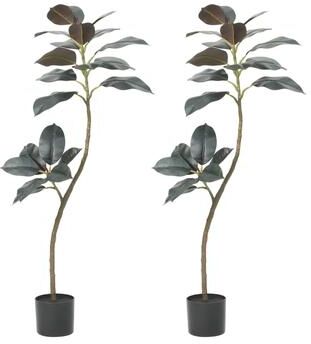
Garvee 2-Pack 4 ft PU Black Rubber Tree Faux Plants in Pots – Realistic2-PACK SET: Includes 2 artificial black rubber trees, each measuring approximately 47 inches (4 ft) tall from base to top, making them ideal for floor placement in living rooms, offices, and entryways.83,49 $*Shipping: 0,00 $Secure redirect to the provider

-
What now, if snails have eaten flowers?
If snails have eaten the flowers, it is important to take action to prevent further damage. One option is to remove the snails from the area and relocate them to a different location. Additionally, you can try using natural deterrents such as crushed eggshells or copper tape to keep the snails away from the flowers. It is also a good idea to regularly inspect the plants for any signs of snail activity and take prompt action to protect them. **
-
For which plants are snails not poisonous?
Snails are not poisonous to most plants, but they do have a preference for certain types of vegetation. Snails tend to avoid plants with tough or hairy leaves, as well as those with strong scents or flavors. Some examples of plants that snails are less likely to eat include lavender, rosemary, sage, and plants with thick, waxy leaves like succulents. However, it's important to note that snails may still eat these plants if they are particularly hungry or if other food sources are scarce. **
-
Does gardening mainly consist of throwing the snails to the neighbor?
No, gardening does not mainly consist of throwing snails to the neighbor. While snails can be a common pest in gardens, there are many other aspects to gardening such as planting, watering, weeding, and harvesting. There are also various methods for controlling snails in the garden that do not involve throwing them at the neighbor, such as using barriers, traps, or natural predators. **
-
Do predatory snails also eat larger snails?
Yes, predatory snails are known to eat larger snails. They are opportunistic feeders and will consume a variety of prey, including larger snails if given the chance. Predatory snails use their radula, a specialized feeding organ, to rasp and consume the soft tissues of their prey, including larger snails. This behavior helps regulate the population of snails in their environment. **


Do naked snails eat other naked snails?
Naked snails do not typically eat other naked snails. They are herbivorous creatures that primarily feed on plant matter such as leaves, fruits, and vegetables. While they may occasionally come into contact with other snails, their natural diet does not include consuming other snails. However, in certain situations where food is scarce, or if they are kept in crowded or stressful conditions, they may exhibit cannibalistic behavior. **
Can garden snails smell African giant snails?
Yes, garden snails can smell African giant snails. Snails have a well-developed sense of smell, using their tentacles to detect chemical cues in their environment. When a garden snail encounters the scent of an African giant snail, it can recognize and respond to the presence of the other snail species. This ability to detect and respond to the scent of other snails can be important for finding mates, avoiding predators, and locating food sources. **
Top-Angebote
Products related to Snails:
-
Inspire Select Enchanted Mini Fairy Garden Figurines Set Whimsical DIY Fairy Garden Accessories For Miniature Landscaping & Dollhouse mushroom Snails 1 PcBring a touch of magic to your space and transform ordinary corners into enchanting storybook scenes. These beautifully crafted DIY fairy garden accessories are perfect for anyone who loves creativity, natureinspired dcor, or miniature worlds....50,98 $*Shipping: 0,00 $Secure redirect to the provider
-
DK Children The Secret World of Plants: Tales of More Than 100 Remarkable Flowers, Trees, and Seeds by Ben Hoare (DK Treasures)A timeless treasury of more than 100 stories from the incredible kingdom of plants, told by author and nature expert Ben Hoare. Plants are found almost everywhere on Earth, but to many people, their lives are a mystery. Learn how seagrass flowers underwater, how the Venus flytrap counts to make sure it catches its prey, and why some tulips used to cost more than a house! This fascinating book for kids explores the vast plant kingdom and explains how plants work, as well as the weird and wonderful relationships they have with animals. Children can discover the secrets of more than 100 amazing plants in this treasury of fascinating flora, as well as the essentials of plant science, including photosynthesis, pollination, and germination. Each species is shown with remarkable photography and beautiful illustrations, all brought to life by Ben Hoare's writing, filled with charm and infectious enthusiasm. This nature book for children ages 7+ features:- An eye-catching holographic cover, gilded edges, and stunning photography and illustrations, making it the perfect gift - A wide range of incredible plants and trees from all around the world- Illustrated diagrams to support definitions of different types of plants - Introductory reference pages that explain key topics such as photosynthesisThis book is a must for any child interested in the natural world and the plants that grow in it. Plants provide us with food, fuel, and medicine, and without them, life as we know it would not exist. From orchids that grow vanilla pods to leaves that look like stones, and from bamboo that can be made into clothes to moss that soaks up vast amounts of carbon dioxide, plants shape our world in an endless variety of ways.13,99 £*Shipping: 2,99 £Secure redirect to the provider
-
Which flowers do snails not eat?
Snails tend to avoid eating flowers with strong scents, prickly or fuzzy textures, or toxic properties. Some examples of flowers that snails typically avoid include daffodils, lavender, geraniums, and poppies. These flowers have characteristics that make them unappealing or harmful to snails, helping to protect them from being eaten. **
-
Which flowers are not eaten by snails?
Snails tend to avoid eating flowers with strong scents or textures that are unappealing to them. Some flowers that are less likely to be eaten by snails include marigolds, geraniums, lavender, and begonias. These flowers often have strong scents or fuzzy textures that deter snails from feeding on them. **
-
What now, if snails have eaten flowers?
If snails have eaten the flowers, it is important to take action to prevent further damage. One option is to remove the snails from the area and relocate them to a different location. Additionally, you can try using natural deterrents such as crushed eggshells or copper tape to keep the snails away from the flowers. It is also a good idea to regularly inspect the plants for any signs of snail activity and take prompt action to protect them. **
-
For which plants are snails not poisonous?
Snails are not poisonous to most plants, but they do have a preference for certain types of vegetation. Snails tend to avoid plants with tough or hairy leaves, as well as those with strong scents or flavors. Some examples of plants that snails are less likely to eat include lavender, rosemary, sage, and plants with thick, waxy leaves like succulents. However, it's important to note that snails may still eat these plants if they are particularly hungry or if other food sources are scarce. **
Similar search terms for Snails
-
Garvee 2-Pack 4 ft PU Black Rubber Tree Faux Plants in Pots – Realistic2-PACK SET: Includes 2 artificial black rubber trees, each measuring approximately 47 inches (4 ft) tall from base to top, making them ideal for floor placement in living rooms, offices, and entryways.83,49 $*Shipping: 0,00 $Secure redirect to the provider
-
2 PCS Artificial Lavender Topiaries w/Elegant Flowers & Cement Pots - Green & Purple & BlackBring the beauty of nature indoors with our artificial lavender topiaries!This elegant potted plant features a lifelike spherical shape, complete with leaves and vibrant blooming lavender, creating an appealing look that enhances any space.112,99 $*Shipping: 0,00 $Secure redirect to the provider
-
Does gardening mainly consist of throwing the snails to the neighbor?
No, gardening does not mainly consist of throwing snails to the neighbor. While snails can be a common pest in gardens, there are many other aspects to gardening such as planting, watering, weeding, and harvesting. There are also various methods for controlling snails in the garden that do not involve throwing them at the neighbor, such as using barriers, traps, or natural predators. **
-
Do predatory snails also eat larger snails?
Yes, predatory snails are known to eat larger snails. They are opportunistic feeders and will consume a variety of prey, including larger snails if given the chance. Predatory snails use their radula, a specialized feeding organ, to rasp and consume the soft tissues of their prey, including larger snails. This behavior helps regulate the population of snails in their environment. **
-
Do naked snails eat other naked snails?
Naked snails do not typically eat other naked snails. They are herbivorous creatures that primarily feed on plant matter such as leaves, fruits, and vegetables. While they may occasionally come into contact with other snails, their natural diet does not include consuming other snails. However, in certain situations where food is scarce, or if they are kept in crowded or stressful conditions, they may exhibit cannibalistic behavior. **
-
Can garden snails smell African giant snails?
Yes, garden snails can smell African giant snails. Snails have a well-developed sense of smell, using their tentacles to detect chemical cues in their environment. When a garden snail encounters the scent of an African giant snail, it can recognize and respond to the presence of the other snail species. This ability to detect and respond to the scent of other snails can be important for finding mates, avoiding predators, and locating food sources. **
* All prices are inclusive of VAT and, if applicable, plus shipping costs. The offer information is based on the details provided by the respective shop and is updated through automated processes. Real-time updates do not occur, so deviations can occur in individual cases. ** Note: Parts of this content were created by AI.